
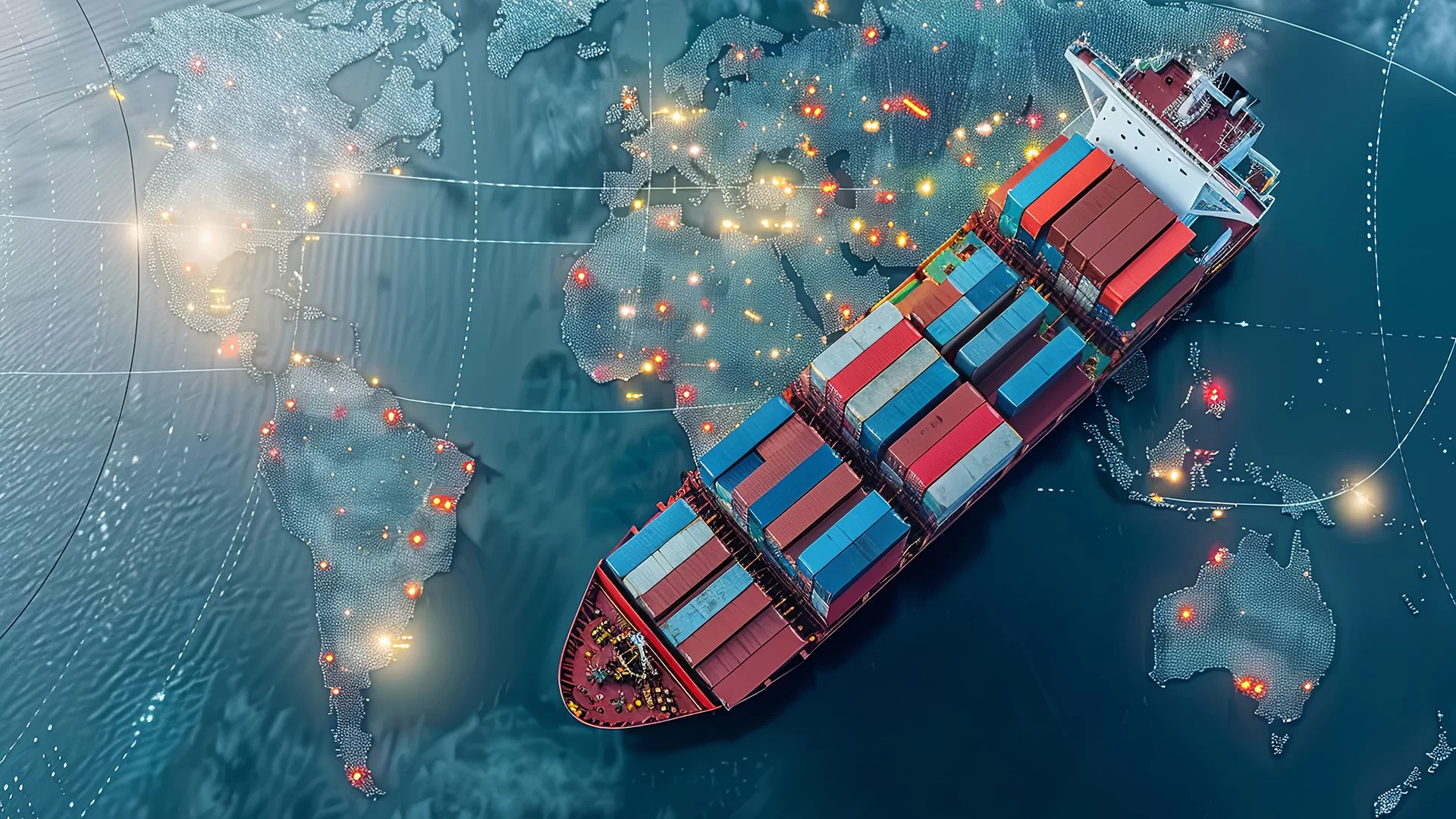

Singapore has always been a leader in global trade. The city thrives on commerce, connecting East and West while driving innovation and growth. With the launch of the new Supply Chain Innovation Hub, Singapore is once again pushing boundaries. The hub brings new tools, fresh ideas, and smarter systems that will reshape how businesses plan, trade, and grow.
But what does this really mean for businesses? Let’s break it down step by step.
Why supply chains matter
Every business relies on supply chains to function. Goods move from suppliers to buyers, payments flow from buyers to sellers, and information travels across networks. When supply chains run smoothly, companies grow. But when they break down, delays increase, costs rise, and opportunities are lost.
This is why strong Supply Chain Solutions are critical. They streamline systems, remove bottlenecks, reduce delays, and help businesses deliver on their commitments. In today’s rapidly changing global markets, resilient supply chains are not optional; they are essential.
The big role of Singapore
Singapore is more than just a city. It has long been a trusted trade hub, linking Asia to the world through modern, efficient, and reliable systems. Businesses choose Singapore for its infrastructure, policies, and global connectivity.
With the launch of this new hub, Singapore is reinforcing its leadership role. The initiative brings together technology, finance, and logistics in a single ecosystem. It is not just about warehouses or data centers; it is about creating a network of digital platforms, forward-looking policies, and collaborative partnerships that strengthen trade.
What is the Innovation Hub?
The Supply Chain Innovation Hub is designed as a collaborative space where businesses, fintechs, and governments can work together. It provides a platform to test new ideas, pilot solutions, and solve real-world challenges.
Imagine a system where payments move instantly, data is secured across the network, and logistics are automated end-to-end. This is not a distant vision; it is what the hub is working to make possible.
Finance as the Missing Link
Supply chains are not just about goods and logistics, they run on money. Without smooth financing, operations stall. Suppliers are forced to wait for payments, buyers delay transactions, and cash flow slows down. Ultimately, growth suffers.
This is where Supply Chain Finance becomes essential. It ensures that suppliers can access early payments, while buyers retain the flexibility of extended terms. By balancing the needs of both sides, supply chain finance keeps business moving.
The hub integrates Supply Chain Finance Solutions as a core part of its framework. This reduces stress on businesses, ensures smoother trade flows, and makes operations more resilient to shocks.
Why businesses should care
The impact of this hub goes beyond Singapore. Supply chains touch everyone; from a small seller in India to a large multinational buyer in Europe. When Singapore invests in innovation, the benefits ripple across the global economy.
For businesses, this hub means access to faster payments, better data sharing, stronger financing options, and fewer delays. In simple terms, it means better growth opportunities and lower risks.
Practical benefits of the Hub
The innovation hub brings a range of practical benefits, including:
- Faster financing through digital platforms.
- Competitive rates from multiple financiers.
- Secure and reliable cross-border payments.
- Greater visibility over goods and money.
- Stronger resilience during global disruptions.
These benefits have real-world impact. A supplier who gets paid early can reinvest in growth. A buyer who manages payments more flexibly can improve working capital. A logistics partner with real-time data can deliver faster and more reliably. In short, the hub creates a win-win ecosystem.
Innovation + Finance = Growth
Many supply chains are efficient in logistics but weak in financing. Supply Chain Finance Solutions bridge this gap. They unlock trapped capital, shorten payment cycles, and build greater trust among partners. With digital systems in place, these solutions can scale quickly and across borders.
The Singapore hub is set to accelerate this process. By bringing together fintech innovators, large businesses, and regulators, it will test new ideas, refine models, and spread successful practices worldwide.
A global signal
This hub is not just a local initiative; it is a global signal. Singapore is showing that supply chains must evolve, and the world is paying attention. Other countries are already considering similar models, and more hubs may emerge in the near future.
The outcome is clear; global trade will become stronger, smarter, and more resilient.
What businesses should do now
So, what does this mean for businesses today? Here are some practical steps:
- Explore supply chain finance options to support both buyers and suppliers.
- Adopt digital solutions to replace outdated manual processes.
- Follow Singapore’s model and learn from its outcomes.
- Build resilience by diversifying systems and creating backups.
- Partner with trusted platforms that offer reliable Supply Chain Finance Solutions.
By taking these steps, companies can position themselves to take advantage of the opportunities the hub creates.
Also Read: Export Factoring Trends in Hong Kong’s Trade Finance Market
The future looks bright
The Singapore hub represents a new chapter in global trade. By blending technology, finance, and logistics, it addresses real pain points and creates stronger, smarter supply chains.
For businesses, this is more than just news. It is an opportunity to grow faster, reduce costs, and build resilience for the future. With innovation and finance working together, businesses can turn challenges into opportunities.
Conclusion
The Supply Chain Innovation Hub is not just a building in Singapore; it is a movement toward smarter global trade. It provides the tools, policies, and financial solutions businesses need to stay competitive.
For companies worldwide, this is the time to act. By adopting new solutions, leveraging supply chain finance, and strengthening resilience, businesses can secure long-term growth.
Singapore has shown the way. The next step is for businesses everywhere to embrace the change.